
Stone routes continue to shape movement across the Andes. Long before modern roads, these paths connected valleys, high plateaus, and ceremonial centers. Builders adapted them to steep slopes, unstable ground, and extreme weather. Today, hikers follow the same alignments, moving through landscapes shaped by geology and deliberate human planning.
Walking these routes reveals how Andean societies understood terrain, water flow, altitude, and seasonal change. The paths were not improvised. They followed tested logic and clear purpose, which still supports safe travel through demanding environments.
Ancient Engineering in a Mountain Environment
The Andean road system ranks among the most extensive pre-modern transport networks in the world, forming part of the Qhapaq Ñan Andean Road System. Built without metal tools or wheeled transport, it crossed mountains, deserts, and forests over vast distances.
Where cliffs blocked passage, builders cut directly into rock. These sections followed natural stress lines instead of forcing straight routes. This approach reduced collapse risk and improved long-term stability. Many sections remain intact because the design worked with the land rather than against it.
The network enabled communication, trade, and administration across ecological zones. Relay runners carried messages between settlements. Goods moved between coastal, highland, and jungle regions. The system functioned because it respected terrain limits and environmental conditions.
Sacred Routes Leading to Machu Picchu
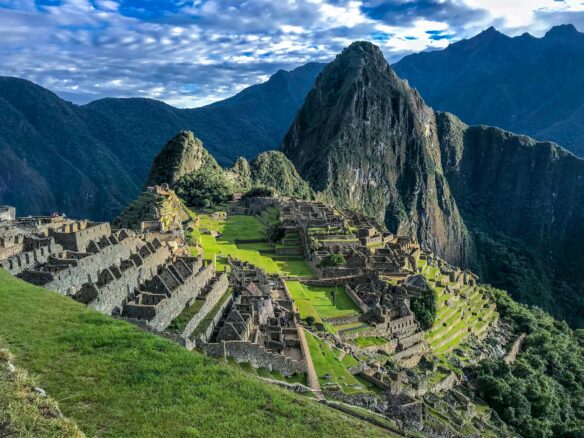
Several ancient trails converge toward Machu Picchu, each carrying cultural and ceremonial meaning. The most recognized route approaches the site through a sequence of archaeological landmarks before reaching the Sun Gate. This gradual progression shaped how travelers encountered the citadel, both physically and mentally.
Machu Picchu reflects careful site selection. Builders avoided landslide-prone areas and oriented structures to manage water flow and solar exposure. Tight-fitting stonework allowed buildings to withstand earthquakes without collapse. Agricultural terraces combined food production with slope stabilization.
Astronomical alignment influenced the layout. Key structures correspond with solstices and seasonal markers. These features confirm the site’s role as both a settlement and a ceremonial centre.
Access to these routes now requires careful coordination. Machu Picchu travel packages often structure permits, entry times, and altitude planning in line with current access regulations, while supporting controlled visitor flow and long-term site protection.
Alternative Trails Through Sacred Landscapes
Beyond the main routes, the Andes offer paths with different demands and character. The Salkantay route crosses high passes beneath glaciated peaks regarded as sacred by local communities. The challenge comes from altitude and exposure rather than technical terrain.
The Lares route passes through working villages where farming and weaving remain part of daily life. Hot springs along the route reflect geothermal activity and long-standing use of natural resources. These trails emphasise continuity between past and present rather than separation from it.
Routes leading to Choquequirao or Vilcabamba require longer commitment and careful planning. Infrastructure is limited and rescue services are distant. These conditions reduce visitor numbers and preserve environmental and cultural context.
Managing Altitude and Physical Demands
Altitude defines Andean hiking. Many routes exceed 3,500 metres above sea level, where oxygen levels drop significantly and oxygen availability at altitude affects breathing, circulation, and energy output.
Effective planning includes rest days before trekking, light activity during initial exposure, and flexible schedules. Hydration and nutrition support adaptation. Rapid ascent increases risk. Ignoring these factors often leads to shortened trips or evacuation.
Weather adds complexity to any great hike, especially in the Andes. The dry season brings clearer skies but colder nights. The wet season reduces trail stability and increases vegetation density. Each period requires different pacing and preparation.
Clothing systems must allow rapid adjustment. Temperature shifts occur within hours, especially when moving between ecological zones. Layering reduces fatigue and supports consistent body temperature.
Environmental Awareness on Ancient Trails
The Andes contain fragile ecosystems shaped by altitude and climate, and studies on the impact of tourism on mountain ecosystems show how unmanaged foot traffic accelerates soil erosion and damages water systems.
Water sources along routes are often untreated. Filtration or purification remains necessary. Waste management carries greater importance in remote areas where removal options are limited.
Many trails cross land managed by local communities. Clear boundaries, shared rules, and community management of communal land support long-term access and landscape protection. Responsible behaviour sustains both environment and cultural continuity.
Cultural Context Along the Route
These paths remain part of living environments. Farming, herding, and seasonal movement continue alongside tourism. Respectful interaction supports stable relationships. Asking permission before taking photographs and recognizing local routines maintains trust.
Community-based accommodation offers insight into daily life while directing income locally. These arrangements reflect community-based tourism principles built on mutual respect, clear expectations, and long-term cooperation between visitors and resident communities.
Ancient Andean trails reveal how engineering, environment, and culture worked together to support life in extreme terrain. Walking these routes today means engaging with living landscapes that still depend on balance, restraint, and respect. When approached with care, Andean travel becomes an experience shaped by continuity and responsibility, not speed or spectacle.

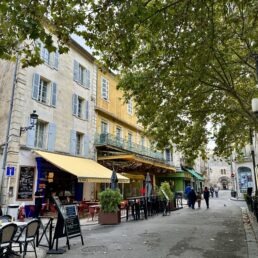 Arles, France: Following the Footsteps of Famous Van Gogh Paintings
  Beach Weddings in the Philippines: A Dream Destination for Saying “I Do”