Australia dazzles visitors with dramatic landscapes from its diverse coastline to its sparse red center. The country also features ample wildlife, with hopping kangaroos and adorable koalas among its most famous inhabitants. Australia is also a bird watchers paradise with a wide assortment of species like cockatiels, galahs, kookaburra, magpies and many more.
Australia’s diverse landscape offers a wide range of outdoor experiences from the “Sunshine State” of Queensland to the cooler island of Tasmania, home to a diminishing population of Tasmanian Devils. Though your best chance to see one of those feisty creatures is in a wildlife sanctuary.
You may want to plan an Australian itinerary around the animals you are most interested in viewing. Here are some of the best places to see wildlife in Australia, which covers some of the highlights of each destination!
Rottnest Island – Western Australia
Western Australia covers an expansive stretch of territory so large that you could fit the state of Texas 3 and a half times inside of it! Outside of Perth and Fremantle, the state is one of the most sparsely populated areas on Earth. This lends to rugged isolated landscapes and some unique habitats.
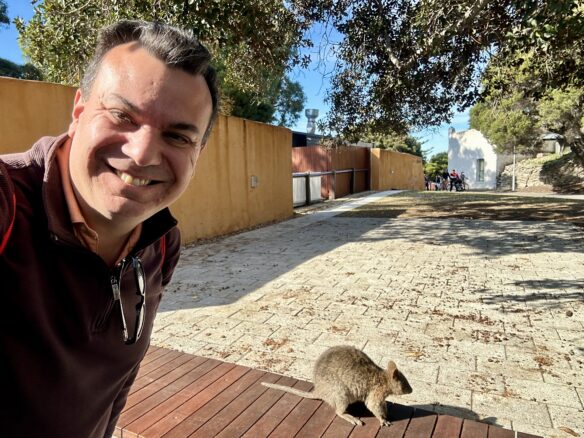
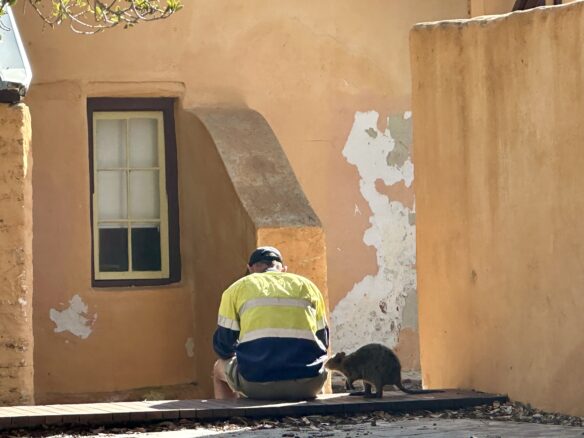
Western Australia is also home to one of Australia’s lesser known native animals – adorably cute quokkas. Around 11,000 quokkas live on Rottnest Island, which is a short ferry ride from either Fremantle (which is a little closer) or Perth.
Quokkas are small marsupials that are typically nocturnal. But visitors to Rottnest Island are guaranteed to see plenty of them during the day, especially mingling around cafes and restaurants around the main town of Thomson Bay (also known as The Settlement). Quokkas go right up to people looking for treats – I even saw one put their paws on a girls hips while she was eating a sandwich. Quokkas love children as their likely to get a treat from them – but don’t feed them as that’s illegal under Australian law.
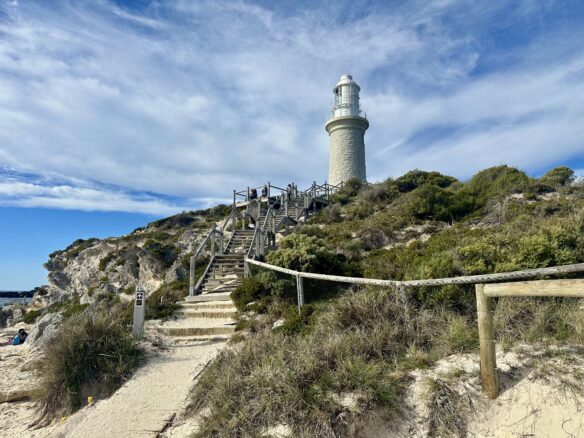
Visitors can stay on Rottnest Island, or just go for a day trip by ferry like I did. The ferry port, along with several restaurants, shops and cafes are located in Thomson Bay. Visitors can explore the island by bus, tourist train, bicycle or just walking (though you won’t see the whole island by foot in a day). Rent a bicycle and enjoy highlights like Pinky Beach, while resisting the temptation to feed the cute quokkas.
Great Barrier Reef – Queensland
The Great Barrier Reef is one of the seven natural wonders of the world. Earth’s largest coral reef system spans 2,300km (1,430mi) along Australia’s northeast coastline in Queensland. The UNESCO World Heritage Site is home to hundreds of islands, around 1,500 fish species and some 400 different types of coral.
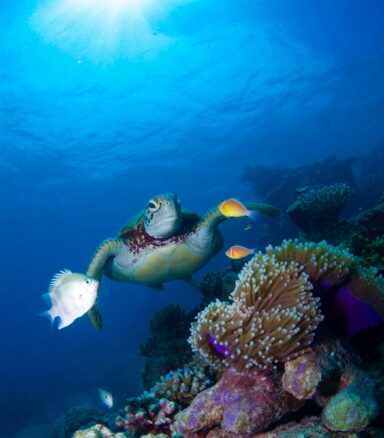
Naturally, The Great Barrier Reef is a divers and snorkelers paradise. Personally, snorkeling is more my speed so that’s what Bell and I enjoyed when we visited. But for many this is also a phenomenal diving opportunity, to experience even more of the reef. The diversity of colorful fish visitors can view, even just snorkeling, is simply fantastic.
Cairns is a popular town to base yourself to explore the Great Barrier Reef. Cairns Airport is your most likely point of entry, with many flights connecting Australia. There are even some international flights to Cairns Airport including Tokyo-Narita, Hong Kong and Nadi, Fiji.
Grampians National Park (Gariwerd) – Victoria
Grampians National Park is part of the Gariwerd Aboriginal cultural landscape, a 3 hour drive west of Melbourne, Victoria. The nature reserve features postcard worthy sandstone mountains, vibrant wildflowers and an array of wildlife. Wildlife highlights include kangaroos, wallabies, an array of birds like kookaburras and even echidnas.

Halls Gap is the main town in Grampians National Park. There is a variety of accommodation options including resorts, motels and caravan parks – featuring a selection of cabins and camping. So the town is the ideal base for exploring the park.
Close to Halls Gap, Brambuk Aboriginal Cultural Center educates visitors on local Aboriginal history and rock art. Be sure to visit as this is one of the highlights of the area.
Visitors will encounter many kangaroos in Hall’s Gap, especially lounging around the footie oval. Sometimes kangaroos approach cabins looking for a treat – though I did not personally experience that. Don’t feed the wildlife if they swing by! We personally saw a kookaburra steal an older lady’s meat pie from her hand at a Hall’s Gap cafe terrace, so the area doesn’t need further disruption of its ecosystem.
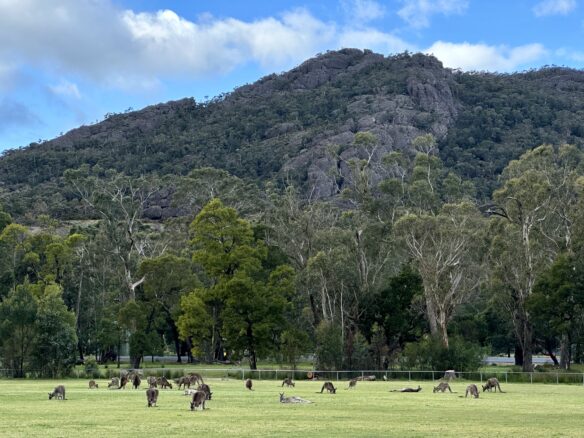
Grampians National Park offers a fantastic getaway for scenic hikes amidst mountains and waterfalls, and a variety of wildlife. Be sure to wear proper attire and take the trail to MacKenzie Falls. Lookouts around the Balconies, with views across the Victoria Range is another significant highlight.
Wilsons Promontory – Victoria
Wilsons Promontory National Park is located in the southern most tip of mainland Australia. 196 km southeast of Melbourne, it’s around a 2 and 1/2 to 3 hour drive to the gorgeous protected area of land from Victoria’s capital.
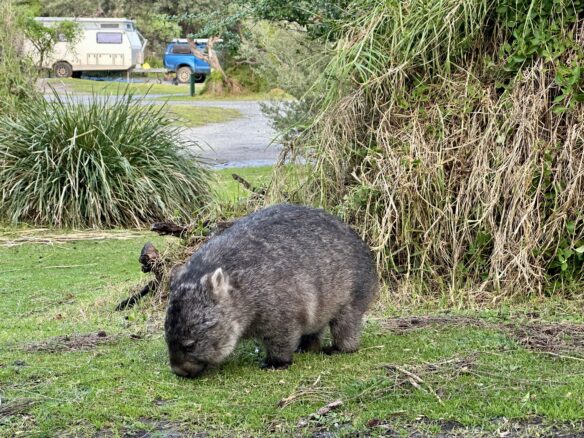
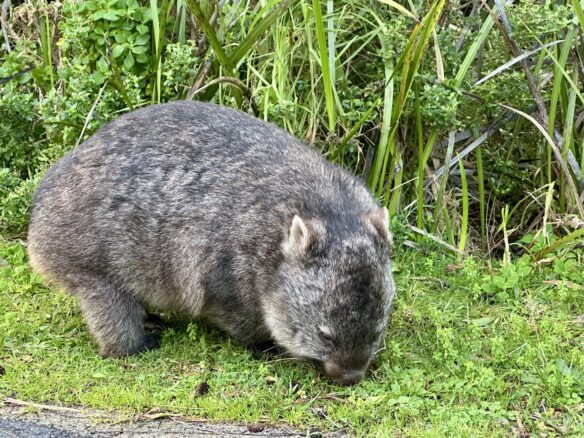
Wilsons Promontory National Park is home to Australian wildlife life kangaroos, emus, wallabies, an abundance of birds and wombats. It was my first time seeing wombats in the wild, as they are difficult to find in most destinations around Australia. Like most marsupials, they’re typically nocturnal, but you can spot some active wombats during the day in Wilsons Prom – mostly foraging on grass.
Wilsons Promontory National Park is home to Victoria’s largest marine national park. Colorful sponge gardens and rich marine ecosystems lay beneath granite cliffs that plunge below the surface of the ocean. The divers paradise houses a rich ecosystem that rivals the Great Barrier Reef in Queensland.
I have been fortunate to travel across the country, and have written tips on traveling to every state and territory in Australia. But Wilsons Promontory is the only place in Australia that I have personally seen wombats in the wild.
Accommodation Recommendation Based on our Personal Experience
RACV Inverloch Resort is a multi-award winning property ideal for family holidays, couples getaways and group events. The ocean front property along the Bass Coast features floor to ceiling windows with sweeping views atop a hill. Amenities include an indoor pool, sauna, hot tub, tennis courts, outdoor playgrounds, a great restaurant and pub. Guests can choose between well appointed rooms and suites with ocean views or spacious 2 bedroom cabins with kitchens. We also really enjoyed dinner at RACV Inverloch Resort and recommend having a meal on the property. It is around a 45 minute drive to Wilsons Promontory from RACV Inverloch Resort and around a 90 minute drive to Melbourne.
Portland – Victoria
Located on the southwest coast of Victoria, Portland is Victoria’s first European settlement. The town has around 200 buildings dating to the 19th-century, many made of bluestone. Rocky and rugged beaches, cooler temperatures and an abundance of wildlife are hallmarks of the Portland area.
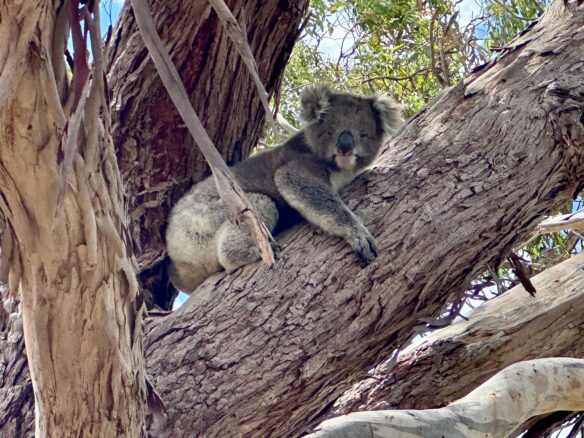
Koalas are an endangered species in Australia, so they are difficult to find in most places. You’re certainly not likely to see one outside a zoo in large urban centers like Sydney, Melbourne, Brisbane, Adelaide and Perth. But visit the lovely Portland Botanic Gardens, established in 1857 and there’s a good chance you’ll spot one in a tree like we did!
Graham Husson Fauna Park, opened in 1978 by the local Lions Club, is another great place to view wildlife. The reserve features rare albino kangaroos, emus, goats, wallabies as well as many native birds. We also saw several koalas in the trees, including a mother with her baby sitting on a branch nearby. Despite growing up in Australia, Bell told me it was her first time seeing a baby koala in the wild.
Stroll along the rocky beach in Portland and you can also see penguins on nearby rocks. Nearby, Point Danger Gannet Colony is a natural habitat for a huge colony of lovely orange and white birds. It’s quite windy and usually cold in both destinations so plan to wear appropriate attire.
Around a 20 minute drive west of Portland, Victoria, the Seal Colony Viewing Platform in Cape Bridgewater can be reached by a 3 km hike. Be aware that roundtrip the hike is 6km (3.7 miles) on a narrow dirt path surrounded by brush. So this hike is not for everyone, and don’t plan for this if you or someone in your party has mobility issues.
Portland Bed and Breakfast Recommendation Based on Personal Experience
Though not a large town, Portland offers a variety of accommodation including bed and breakfasts, motels and caravan parks. We especially enjoyed our stay at the Victorian House. The charming manor house, made of blue stone dates to the mid 19th century. Woods are well appointed with antique furniture as well as modern amenities including comfortable beds, flat screen TV’s and modern air conditioning and heating units. Complementary sherry, port and fruit cake in their charming lounge is a lovely choice. We enjoyed an interesting chat with fellow guests over tasty fortified wines and fruit cake.
Phillip Island – Victoria
Just 90 minutes from Melbourne, Phillip Island is a popular getaway for Melburnians. For wildlife, the renown highlight is Little Penguin viewing along Summerland Beach. Each evening, the world’s smallest penguin species returns to shore following their daily ventures searching for food. Viewing platforms and seating are set up for visitors to watch the nightly ritual.
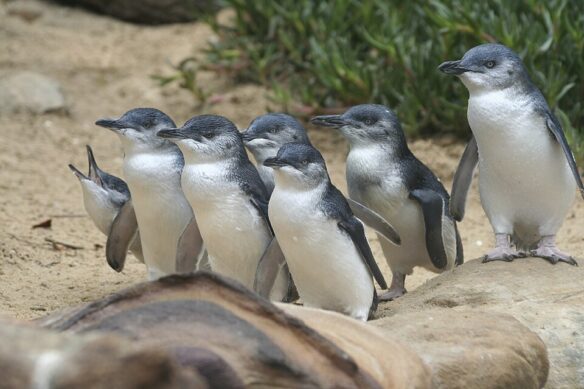
In addition to the famous Little Penguins, Phillip Island wildlife highlights also includes seals, migratory whales, koalas and a variety of birds. In the winter months from late May to September, visitors can experience viewing whales along the coast of Phillip Island and Bass Coast. June and July are the best months to spot whales like Humpback, Southern Right and occasionally Orcas.
Phillip Island has beautiful beaches, with bay beaches along the north and surf beaches along the south of the island. Summer is an idyllic time to plan a trip to enjoy the island’s renown wildlife and enjoy some relaxed moments on the beach.
Kangaroo Island – South Australia
Located 110 km southwest of Adelaide, South Australia, Kangaroo Island is Australia’s third largest island. The popular eco-tourism destination is renown for its abundance of wildlife including sea lions, koalas and kangaroos. Immaculate beaches, rugged coastlines, and local produce are significant highlights of one of Australia’s most popular eco-tourism destinations.
Visitors can reach Kangaroo Island by ferry from Cape Jervis, South Australia. You can also fly into Kingscote Airport and rent a car. Driving around the 155 km long island is the best way to explore scenic as well as wildlife highlights.
For thousands of years, Seal Bay has been home to an Australian sea lion population. Visitors can set enjoy the wild seals from several viewing platforms. A wheelchair accessible 450 meter (return) boardwalk meanders through dunes to the platforms. Visitors can also hire an experienced guide to learn more about the endangered seals living along the shores of Kangaroo Island.
Kangaroo Island’s renown local produce includes a variety of fresh seafood like crayfish and King George whiting, along with Ligurian honey, boutique wines and spirits. Crayfish, similar to lobster, is very expensive in South Australia by weight – around $140 AUD per kilo ($100 USD per kilo). I found that one of the best value ways to enjoy tasty crayfish in South Australia is in pasta dishes, where crayfish pieces are crumbled atop the noodles. That’s also less work than cracking open a whole crayfish yourself!
Recap on Australian Wildlife Viewing
Australia is one of the best countries in the world for wildlife viewing. If you are deciding whether to visit Australia or New Zealand, Australia wins for diversity of wildlife. Unless you want to be sure you don’t encounter snakes, as snakes are not native to New Zealand. However, it is also rare to encounter Australia’s venomous snakes.
I’ve traveled to every state and territory in Australia, and I have not come across a single snake yet. With that said, it’s always advised to stay on paths when hiking – which I certainly do. My curiosity for Australian wildlife viewing does not extend to snakes.



 How To Use An AI Detector Without Overcomplicating Your Workflow
  Food: The Safest and the Richest Adventure You’ll Have