
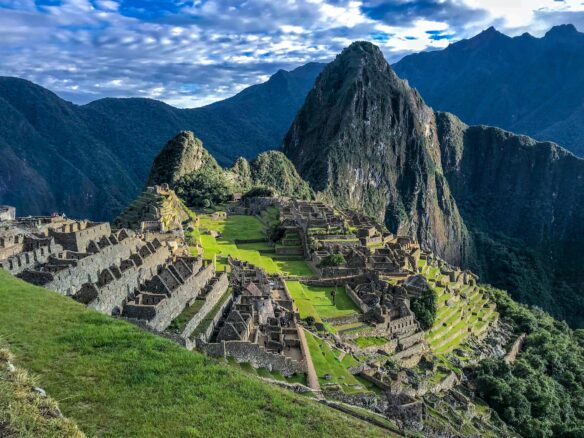
South America travel rewards the curious and punishes the unprepared. The continent spans glaciers, deserts, rainforests and 20,000-foot peaks. So a single itinerary won’t cover every terrain. Machu Picchu alone draws more than 1.5 million visitors a year, and most of them underestimate the altitude. Here’s some planning advice to keep in mind before you jet off.
Why South America Travel Overwhelms First-Timers
The sheer size and variety of choices can present a challenge. Brazil alone is larger than the contiguous United States. People try to “see South America” in two weeks and spend half the trip on buses and in airports.
It is more advantageous to select one or two countries and traveler deeper. You will spend less, sleep better, and actually remember the trip. Save different countries for a future visit, because you will likely want one.
The Best Countries for South America Travel
Every country on the continent has an array of worthwhile places. These are the six of the most popular, each for a different kind of traveler.
- Peru: The classic first choice. Machu Picchu, the Sacred Valley, and genuinely world-class food in Lima.
- Argentina: Buenos Aires for culture and steak, Patagonia for raw wilderness, Mendoza for wine.
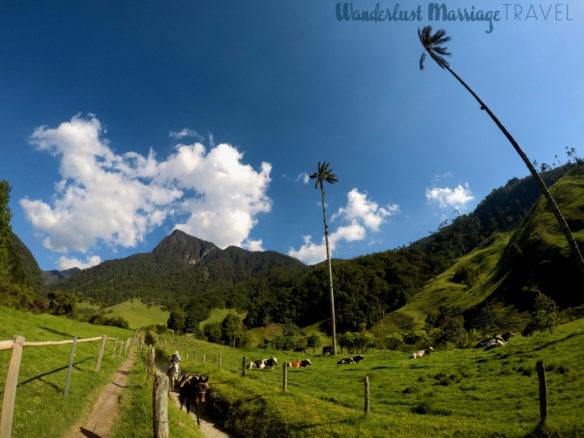
- Colombia: Warm people, cheap prices, and a coffee region that feels like a secret. A smart value pick.
- Chile: The Atacama Desert and Torres del Paine sit in the same long, thin country. Great for nature lovers.
- Brazil: Rio, the Amazon, and the Iguazu Falls. Big distances, big rewards.
- Ecuador: Compact and underrated, with the Galápagos Islands as the headline act.
If you only have time for one country, we lean towards Peru or Colombia. Both pack variety into a manageable area.
Colombia is a Great Value Destination
Colombia gives you the most value for your money among popular countries in South America. Food, hotels and tours cost a fraction of what you pay in the United States, and the welcome often feels sincere.
Start in the capital, then head to the coffee region around Salento for green valleys and small-town calm. Read this guide to the pros and cons of visiting Bogotá before you book, because the historic center needs some street smarts after dark.

When to Go
There is no single best season for the whole continent. The climate flips by region, so match the month to your destination.
- Peru and the Andes: May to September is the dry season and the safest bet for the Inca Trail.
- Patagonia (Argentina and Chile): November to March, their summer, for hiking and open trails.
- Brazil’s beaches and Rio: December to March is hot and lively, with Carnival in February or March.
- Colombia: December to March is driest, but the near-equator climate makes most months workable.
What South America Travel Actually Costs
Budgets vary significantly between countries. Bolivia, Peru and Colombia are gentle on the wallet. Chile, Brazil and parts of Argentina cost more.
A mid-range traveler can live well on roughly $60 to $90 US dollars a day in the budget countries, covering a comfortable room, meals and local transport. The two expenses that blow budgets are internal flights and marquee experiences like the Galápagos or a guided Machu Picchu trek. Book those early.
Staying Connected Without a Nasty Roaming Bill
Reliable data is not a luxury in South America. You will want it for maps, ride apps, translation and booking transportation on the fly. Traditional roaming from US carriers can run several dollars a day per country, which adds up fast across a multi-country trip.
An easier option is an esim, a digital SIM from a provider like Holafly that you install before you fly and activate on arrival. An esim is software, not a plastic card, so you keep your home number active while using local data. We buy ours in advance, scan the code at home, and land already online.
Safety and Practical Tips
South America is generally safer than its reputation suggests, but common sense matters. Keep your phone out of sight in crowds and use registered taxis or ride apps at night.
- Carry a little cash, since small towns and markets rarely take cards.
- Acclimatize to the altitude in Cusco or La Paz for a day or two before hiking.
- Learn basic Spanish phrases, as English is limited outside tourist zones.
- Drink bottled or filtered water in most areas.
How We Would Structure a First Trip
For two weeks, resist the urge to continent-hop. A realistic, rewarding route might look like this:
- Four nights in Lima and the Sacred Valley to adjust and eat well.
- Three nights around Cusco and Machu Picchu.
- A short flight to Colombia for coffee country and a city stay to close the trip.
That pace leaves room to rest, wander, and say yes to the unexpected. The unexpected is often the best part.
Frequently Asked Questions
Do I need a visa for South America travel?
Most South American countries allow US passport holders to enter visa-free for tourism, typically for 90 days. Rules change, so confirm each country’s current policy before you book on their respective government website.
Is it safe to travel in South America as a couple?
Stick to well-reviewed neighborhoods, avoid flashing valuables, and you will rarely have trouble. The historic quarters of South America can often rival European destinations in terms of architecture and great culinary experiences. So it’s a region that can be well suited for couples travel.
Can I pay with US dollars?
Ecuador uses the US dollar officially. Elsewhere you will need local currency, though some tour operators and hotels quote prices in dollars.
How many countries can I realistically visit in two weeks?
Plan to visit one or two countries. The Distances are huge, so chasing more means living on planes instead of exploring places. Every country in South America has more than enough to offer in a two week itinerary.
What vaccinations should I consider?
For some areas, including parts of the Amazon, a yellow fever vaccination is recommended. Check with a travel clinic a few weeks before departure for current advice.





 South Australia Road Trip Tips: Adelaide to Mount Gambier